Tour Pearl Harbor
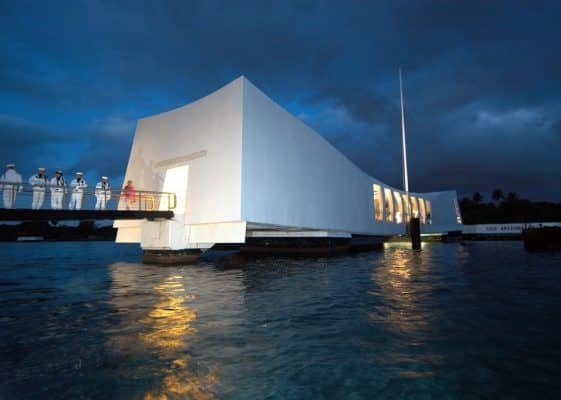
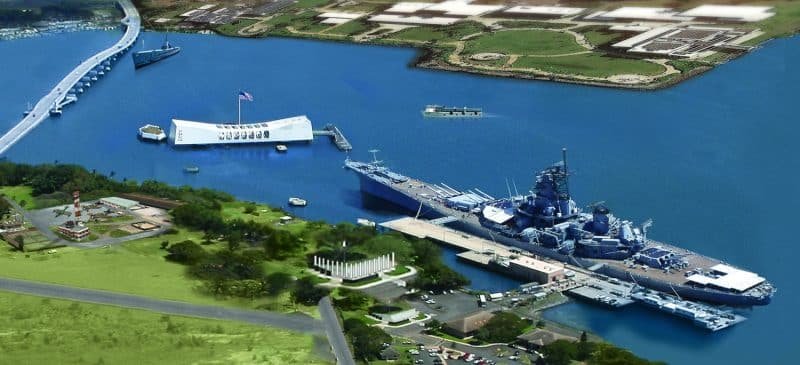
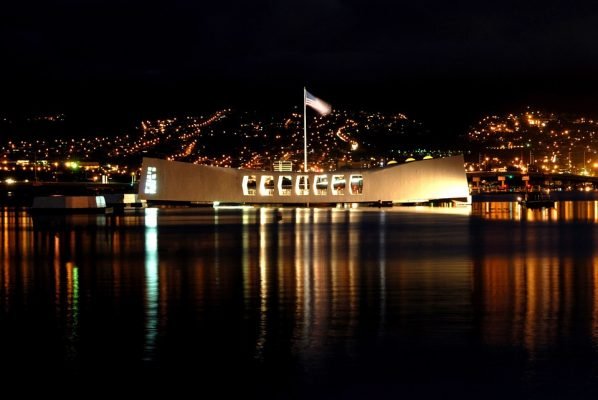
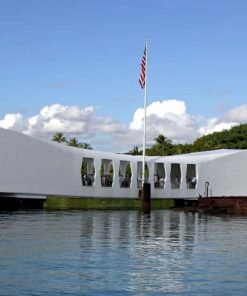
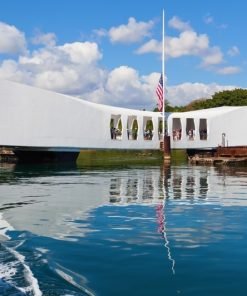
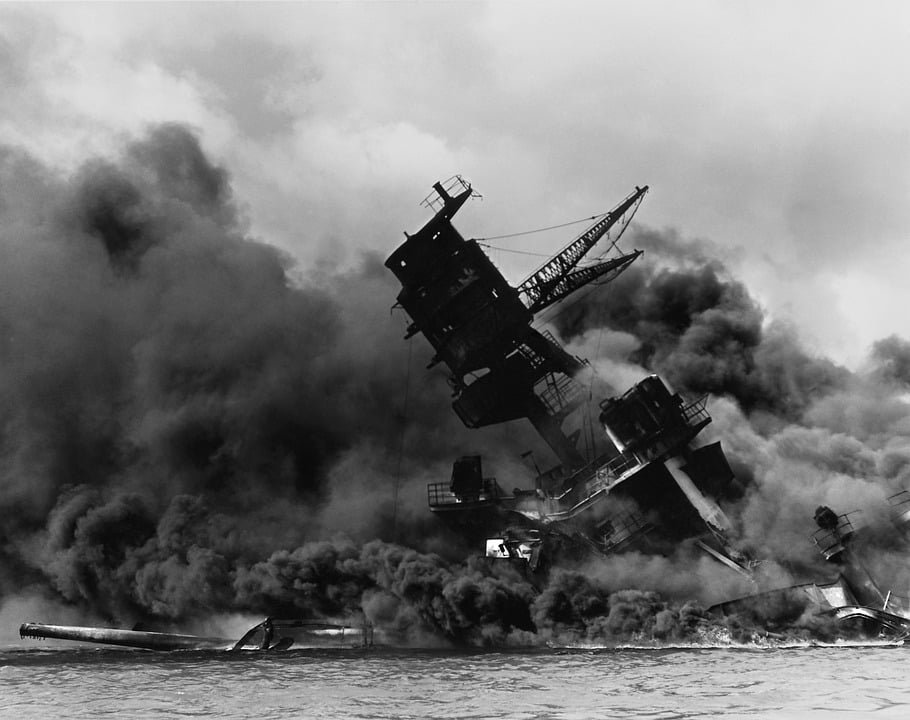
In the massive attack, one of the ships that sank was the USS Arizona. Today, you have the opportunity to stand above the wreckage of that ship when you visit this historic site. Visit the monument to the men who were killed during the ambush and experience the somber peace of a historic battle site. Book your Pearl Harbor tours now!
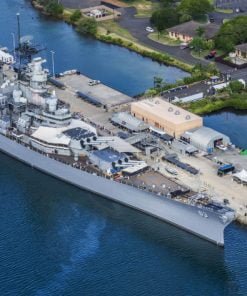
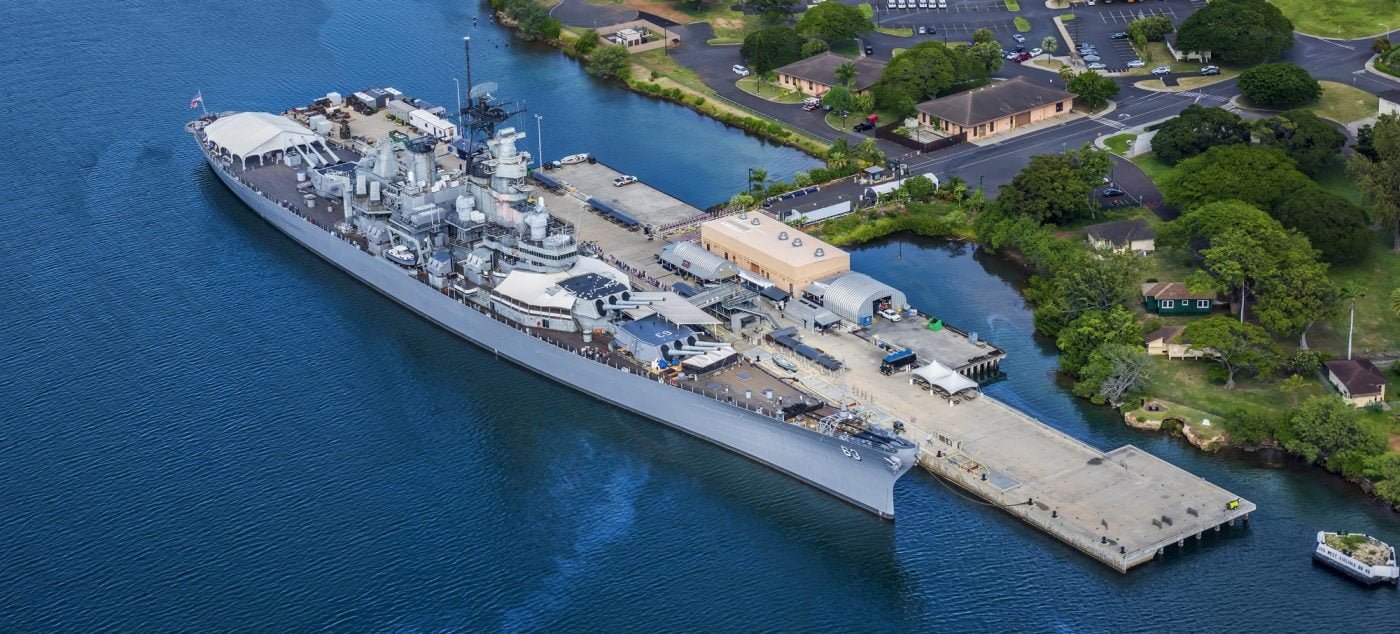
At Pearl Harbor, you can visit the site where the US involvement in WWII began, and where it ended. Visit the Battleship Missouri, where the Japanese surrendered and ended the war. Tours include round-trip transportation and can be booked every day.
What Island is Pearl Harbor On?
Pearl Harbor is located on the island of Oahu in Hawaii. Oahu translates to “the gathering place,” and with 1.42 million residents, it’s easy to see why. Oahu is a city on an island with the perfect mix of island living and the attractions of a city. Touring other Hawaiian islands is a breeze with our airfare included tours. We provide the best Pearl Harbor tours from Oahu to make sure you enjoy every moment of your trip. You can also visit Pearl Harbor from the other islands of Maui, Hawaii, and Kauai. Maui being known for the great Maui luaus and Maui Helicopter Tours.
Pearl Harbor Tours Departing Waikiki, Oahu
Pearl Harbor is a must-see destination with some amazing tours that take you to historic places of interest along Hawaii’s largest natural harbor. From historical to modern, beaches to surfing, resorts to restaurants, Oahu has more to offer you.
Experience the Pearl Harbor memorial, Dole Plantation, and Polynesian Cultural Center tour in just one day. We begin at historic Pearl Harbor where you will experience all the historic events that unfolded on December 7, 1941. Join us at the USS Arizona Memorial, a deeply moving and emotional experience where you will learn about the 1,177 seamen who lost their lives during the Japanese attack. Back at the visitor center, you can visit the WWII museum exhibits and the gift shop. Next, we stop at Dole Plantation which is dedicated to pineapple growing history of Hawaii. Here you can shop for souvenirs and even taste a delicious frozen Dole Whip treat. While heading towards Polynesian Cultural Center on the North Shore, we’ll pass by famous surfing beaches like Waimea Bay and Sunset Beach, famous for surfing all over the world. At Polynesian Cultural Center, you’ll enter a world that celebrates the music, dance & culture of different countries.
Pearl Harbor, Dole Plantation, and Polynesian Cultural Center are Oahu’s top sites to visit all in one day. Join our friendly expert guide on our comfortable, luxury buses for the experience of a lifetime. Book Pearl Harbor tickets today!
December 7th, 1941 – When the World Changed Forever
The attack on the Pacific Fleet of the United States was unprecendented. That Sunday morning the Japanese invades awakened “The Sleeping Giant” that was the United States of America. December 7th, 1941 is one of those dates in history, much like July 4th, 1776, that is near and dear in the hearts of Americans. Anyone who lived through this time period can most likely tell you where they were on that day when they heard the news that the Japanese have attacked Pearl Harbor. Although the United States had been actively contributing to the Allies in the European Theatre against the advances of Germany, this event formally threw the USA into the Second World War.
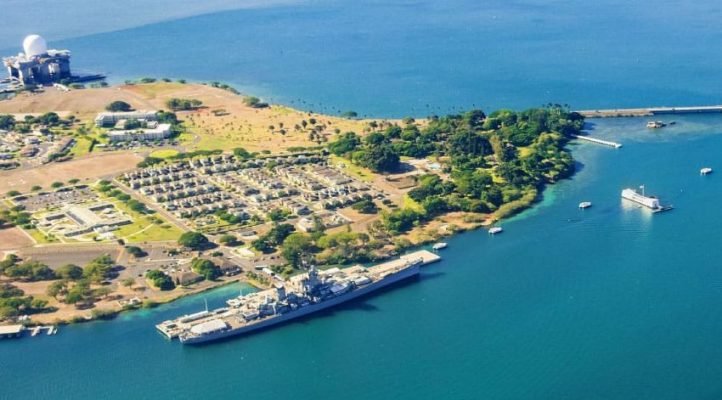
In just a few short hours, the mighty American fleet at Pearl Harbor had been savagely attacked and shattered, giving the Japanese the advantage and leaving the mighty US Navy in shock. The assault was a combined effort between Japanese bombers and fighter planes as well as very small submarines that came into the harbor to deliver torpedoes. The main target of the attack was the backbone of the Pacific Fleet located at Battleship Row where the ‘Mighty Missouri’ now stands for visitors to tour. Fortunately for the United States, the incredibly valuable aircraft carriers were out to sea and survived to mount a counter-offensive in 1942 at Midway and Coral Sea where the US Navy struck two decisive blows.
Your visit to Pearl Harbor will be a day you will remember forever. The facilities at Pearl Harbor do as much to inspire awe in the event itself as to educate and bring alive the history of this period. You’ll get an in-depth experience about the events leading up to the attack as well as how Pearl Harbor and the island of Oahu were pivotal during the remainder of World War 2. If you’re visiting Hawaii and haven’t gotten a chance to experience this historic site, now is the time to visit one of America’s most important historic sites.
What Our Visitors Say About Us
Mati B. Naces via Facebook
“We had an amazing time at Pearl Harbor. It was an experience that moved us. Learning about what had happened at Pearl Harbor was very touching. It is a place I recommend visiting when in Oahu.”
Roy Whitevia Facebook
“I was young when stationed there during my Naval service, but very clean and beautiful city, loved the people and culture very much, great food, shopping and entertainment recommend this location and island very much….”

Pearl Harbor Tours
- Relax and be confident in your booking, we’ve got you covered.
- Visit All the Historical Sites
- Fun and Friendly Tour Guides
- All your information is encrypted and secure
- No cancellation penalties (when canceled at least 48 hours prior to tour)
- No service fees
- No change fees